Understanding Wall Hacking: Everything You Need to Know for a Successful Renovation
Introduction:
Wall hacking is a common term in the world of home renovation, particularly in places like Singapore where space is at a premium. But what exactly is wall hacking, and why is it such a significant aspect of many renovation projects? Whether you’re an interior designer, homeowner, or contractor, understanding wall hacking is crucial to achieving the desired layout and design for your space. In this comprehensive guide, we’ll dive into everything you need to know about wall hacking, from its definition and benefits to the legal considerations and best practices.
What Is Wall Hacking?
Wall hacking refers to the process of removing or modifying walls within a building, typically during renovation projects. This can involve completely knocking down a wall to create an open-plan space or partially hacking a wall to create niches or open up areas for better light flow. Wall hacking is often used to reconfigure spaces to better suit the needs of the occupants or to modernize an older property.
In the context of Singapore’s housing market, wall hacking is particularly prevalent in HDB flats and condominiums, where homeowners seek to maximize the use of limited space by altering the layout.
What Hacking Means in Renovation
In Singapore renovation, “hacking” means breaking out existing parts of a home, such as walls, floor tiles or wall tiles, so a space can be changed or new finishes laid. Wall hacking removes all or part of a wall, for example to open up a kitchen, join two rooms or widen a doorway. Floor hacking removes old tiles before new flooring goes down.
Because hacking can affect the safety and structure of a flat, HDB treats it as work that needs its approval, unlike carpentry or other works that do not affect the structure.
The Benefits of Wall Hacking
1. Increased Space and Flexibility
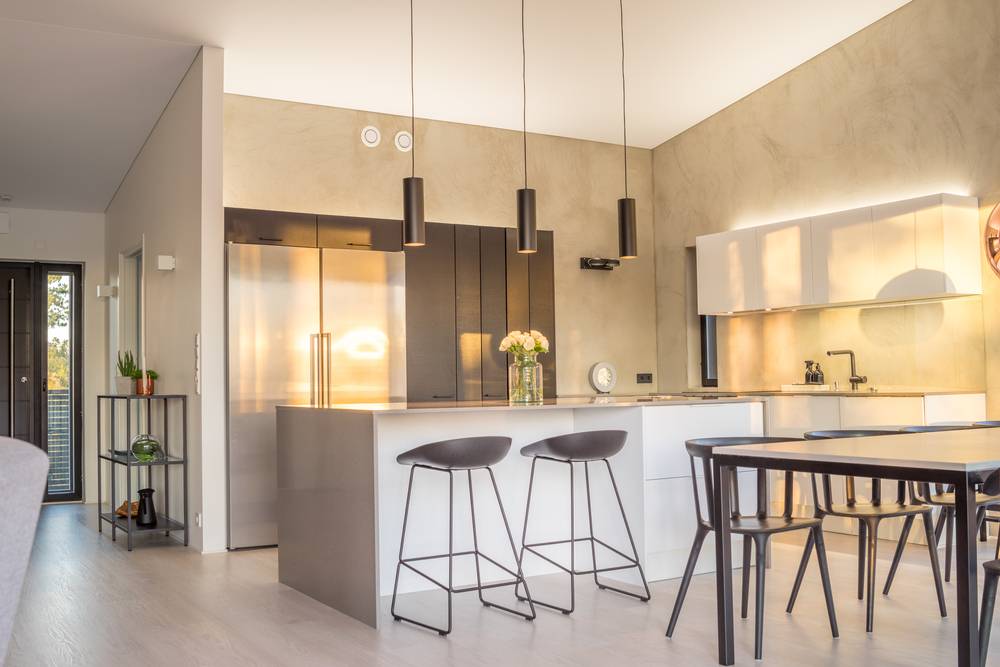
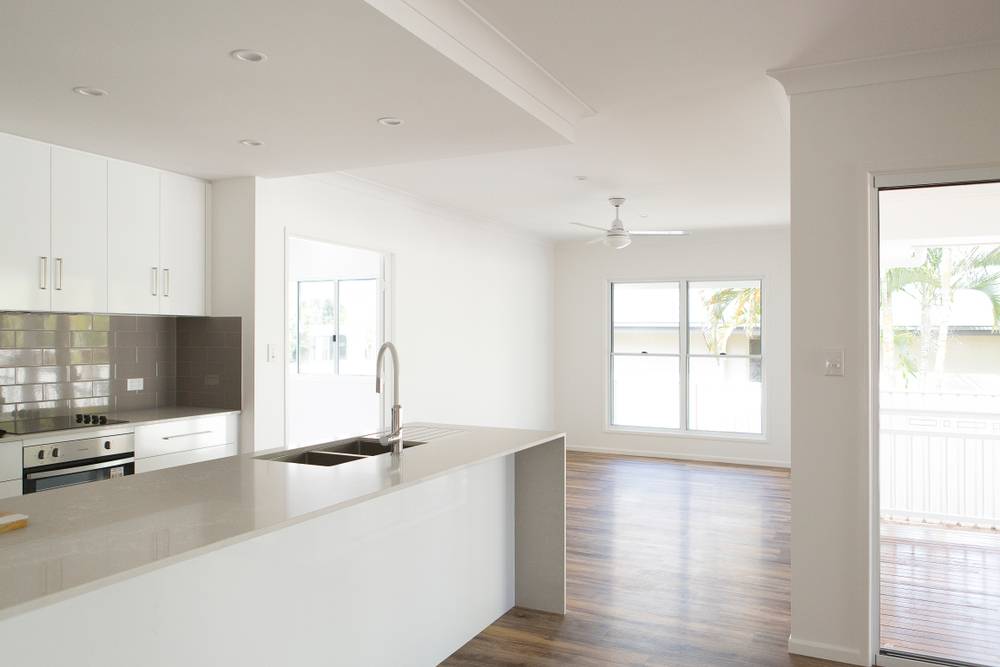
One of the primary reasons homeowners opt for wall hacking is to increase the usable space within their homes. By removing non-load-bearing walls, you can create larger, more open areas that are better suited to modern living. For example, combining a kitchen and living room into an open-plan space can make a home feel more spacious and allow for more flexible use of the area.
2.Improved Light and Ventilation and Licensing
Walls can obstruct natural light and airflow, making spaces feel cramped and dark. Wall hacking can open up these areas, allowing light to flow freely throughout the home and improving ventilation. This is especially beneficial in compact urban environments like Singapore, where every square foot counts.
3.Enhanced Aesthetics
A well-executed wall hacking project can dramatically improve the aesthetics of a home. Open-plan designs are popular for their modern, airy feel, and they can make even small apartments look larger and more inviting. Additionally, wall hacking can allow for creative interior design solutions, such as feature walls, built-in storage, or custom shelving.
Legal Considerations for Wall Hacking in Singapore
Before embarking on a wall hacking project, it’s essential to understand the legal and regulatory requirements in Singapore. Not all walls can be hacked, and failure to comply with regulations can result in fines or even structural damage to your home.
HDB Rules for Hacking Walls
For HDB flats, the rules come from HDB’s own renovation guidelines:
You and your HDB-licensed contractor must get HDB’s approval before any wall is demolished or hacked, whether partly or fully (MyNiceHome, HDB).
Works that need HDB’s approval can only be done by contractors listed in HDB’s Directory of Renovation Contractors.
Existing reinforced concrete (RC) structures must not be tampered with. Demolition of non-load-bearing RC walls must be supervised by a Professional Engineer (Civil or Structural), and work must stop if steel bars are found (HDB building works guidelines).
Lightweight partition walls may be demolished only up to the underside of the RC beam or slab, with block or brick walls taken down from the top.
Household shelter walls, floor and ceiling slabs and the shelter door must not be hacked, drilled or altered.
2. Condominium Guidelines
If you live in a condominium, the rules for wall hacking can vary depending on the management committee’s guidelines. It’s important to consult with your condominium’s management before starting any hacking work to ensure compliance with their regulations. Some condos may have specific requirements for hacking, such as working hours, noise control, and waste disposal.
3. Engaging a Qualified Contractor
To ensure that your wall hacking project is safe and complies with all regulations, it’s essential to engage a qualified contractor. A professional contractor will be able to assess which walls can be hacked and obtain the necessary permits from HDB or the condominium management. They will also ensure that the hacking work is carried out safely, minimizing the risk of damage to the structure or neighboring units.
Common Challenges in Wall Hacking Projects
While wall hacking offers numerous benefits, it can also present certain challenges. Understanding these potential issues can help you plan your project more effectively and avoid common pitfalls.
1. Structural Integrity
One of the most critical considerations in wall hacking is ensuring that the structural integrity of the building is not compromised. Load-bearing walls, which support the weight of the structure, should never be hacked unless specifically approved by a structural engineer. Hacking these walls can lead to severe consequences, including the risk of collapse.
2. Noise and Disruption
Wall hacking can be noisy and disruptive, particularly in shared buildings like HDB flats or condominiums. The noise from hacking can disturb neighbors and may be subject to restrictions on when the work can be carried out. It’s important to communicate with your neighbors and schedule the work during permitted hours to minimize inconvenience.
3. Dust and Debris
Hacking walls generates a significant amount of dust and debris, which can affect other parts of your home and neighboring units. Proper dust control measures, such as sealing off the work area and using dust extractors, should be implemented to protect your living space and minimize the impact on your neighbors.
Best Practices for Successful Wall Hacking
To ensure a successful wall hacking project, it’s important to follow best practices from the planning stage through to completion.
Thorough Planning
Planning is the cornerstone of any successful renovation project. Before starting any hacking work, carefully plan the layout of the space and consider how the removal of walls will affect the flow, light, and ventilation. Consult with an interior designer or architect to ensure that the new layout meets your needs and enhances the overall functionality of the space.
Hiring the Right Contractor
Choosing the right contractor is crucial for a successful wall hacking project. Look for contractors with experience in wall hacking and a solid reputation for quality work. Ask for references, check online reviews, and ensure that the contractor is licensed and insured. A good contractor will also be able to navigate the regulatory requirements and obtain the necessary permits on your behalf.
Communication with Neighbors
As wall hacking can be disruptive, it’s essential to communicate with your neighbors before starting the project. Inform them of the work schedule and any potential noise or inconvenience. Keeping your neighbors in the loop can help maintain good relations and reduce the likelihood of complaints.
How to Tell Which Walls Can Be Hacked
Know the wall type. Under HDB’s building works guidelines, lightweight partition walls (hollow block, brick, drywall) and non-load-bearing reinforced concrete walls can be considered for demolition with a permit. Existing structural RC elements and household shelter walls cannot be tampered with.
Let HDB’s approval decide. Your HDB-listed contractor submits the renovation application, and no wall is hacked until HDB has approved it.
Stop if steel bars appear. HDB requires demolition to stop if steel bars are found during the work.
Conclusion: Is Wall Hacking Right for Your Renovation?
Wall hacking is a powerful tool for transforming spaces, especially in compact urban environments like Singapore. By removing or modifying walls, you can create more open, flexible, and aesthetically pleasing spaces that meet your needs and preferences. However, wall hacking is not without its challenges and risks. It’s essential to carefully plan the project, understand the legal requirements, and engage a qualified contractor to ensure a successful outcome.
If you’re considering wall hacking as part of your renovation, take the time to explore your options, consult with professionals, and plan meticulously. With the right approach, wall hacking can unlock the full potential of your space, creating a home that is not only functional but also a true reflection of your style and personality.
Ready to start your wall hacking project? Explore our wall hacking services at Dream Vinyl Flooring and discover how our expert contractors can help you achieve the perfect layout for your home.