
Can Vinyl Flooring Be Installed Over Existing Tiles?
If you’re planning a home renovation, one question often comes up early in the process: Do I really need to hack my existing tiles before installing new flooring?
It’s a fair concern. Tile hacking is messy, time-consuming, and adds extra cost to your renovation. So naturally, many homeowners ask: Can vinyl flooring be installed over existing tiles?
The answer is yes—in most cases, vinyl flooring can be installed directly over existing tiles. And in Singapore, this method has become increasingly popular, especially for BTO and resale flat renovations.
But like most things in renovation, there’s a right way and a wrong way to do it. Let’s walk through what you need to know before making this decision.
Why Installing Vinyl Over Tiles Is So Popular
There’s a reason why so many homeowners are choosing to skip tile hacking altogether. Installing vinyl flooring over existing tiles offers several clear advantages.
First, it saves time. Without hacking, the installation process becomes significantly faster. What might take weeks with traditional methods can often be completed in just a few days.
Second, it reduces cost. Tile removal involves labour, disposal fees, and additional surface preparation. By installing vinyl directly on top, you eliminate these expenses.
Third, it minimizes disruption. Renovations can be stressful, especially if you’re living in the home during the process. Avoiding hacking means less dust, noise, and inconvenience.
In practical terms, it’s a smarter, more efficient approach—provided the conditions are right.
When Can Vinyl Flooring Be Installed Over Tiles?
While the answer is generally yes, not every tiled surface is suitable for direct installation.
For vinyl flooring to be installed over tiles successfully, the existing surface must meet a few key conditions.
The tiles should be even and level. Large height differences between tiles can cause the vinyl planks to sit unevenly, leading to visible imperfections over time.
The tiles must be firmly secured. Loose or cracked tiles can affect the stability of the vinyl flooring and may cause it to shift or wear prematurely.
The surface should be clean and dry. Dust, grease, or moisture can interfere with adhesion and reduce the lifespan of the flooring.
If these conditions are met, vinyl flooring can be installed smoothly and effectively without removing the existing tiles.


The Installation Process Over Existing Tiles
Installing vinyl flooring over tiles follows a similar process to standard installation, with a few additional preparation steps.
First, the installer inspects the tiled surface for uneven areas, cracks, or loose tiles. Any issues are addressed before proceeding.
Next, the surface is thoroughly cleaned to remove dust, dirt, and grease. This ensures proper adhesion and a smooth finish.
In many cases, a levelling compound is applied over the tiles. This fills in grout lines and creates a uniform surface, preventing the tile pattern from showing through the vinyl.
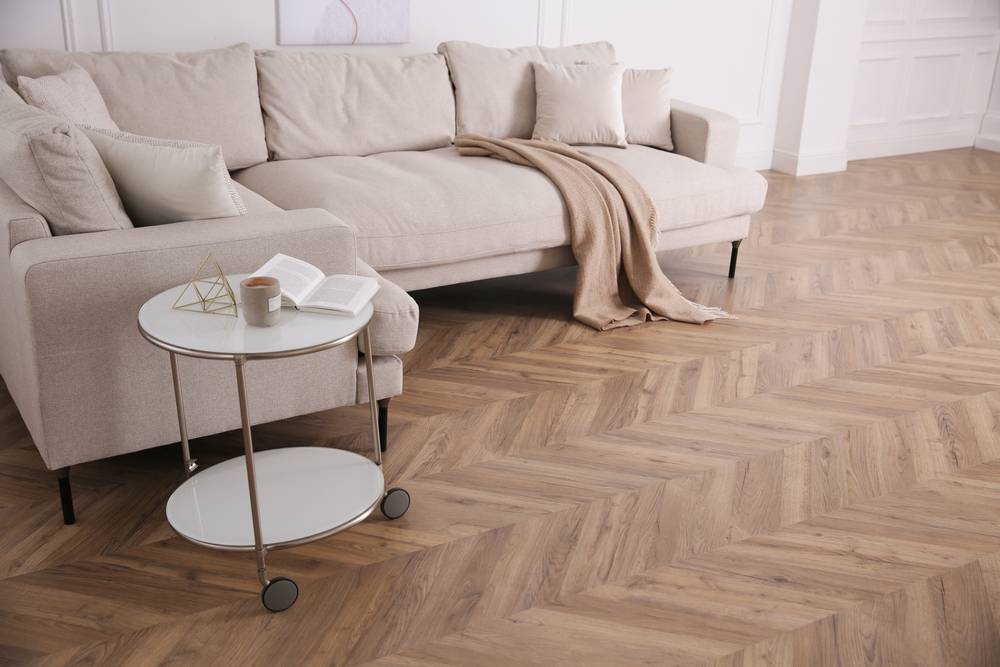
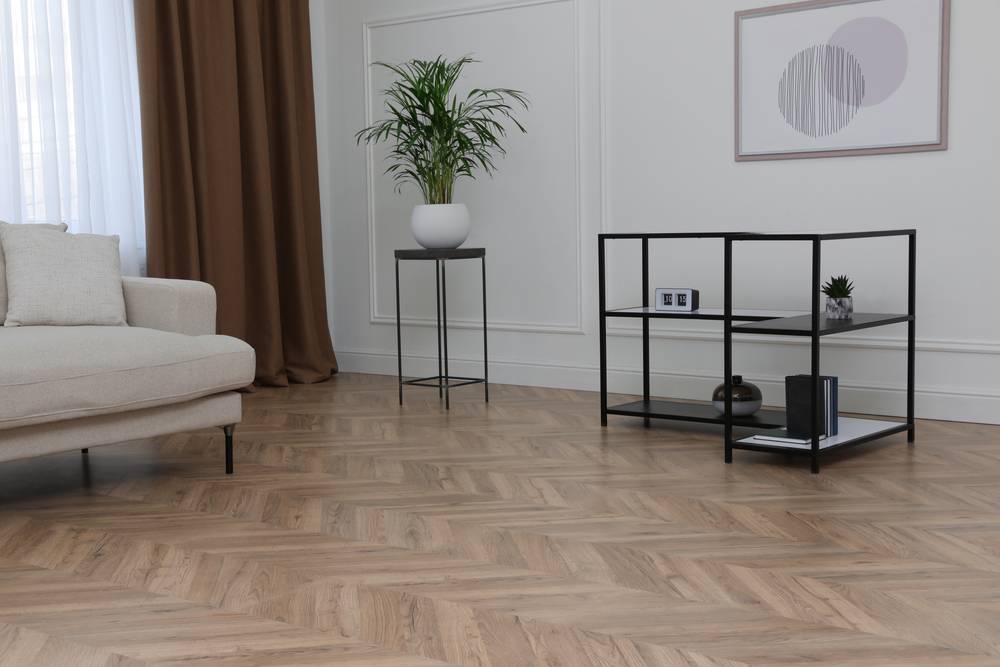
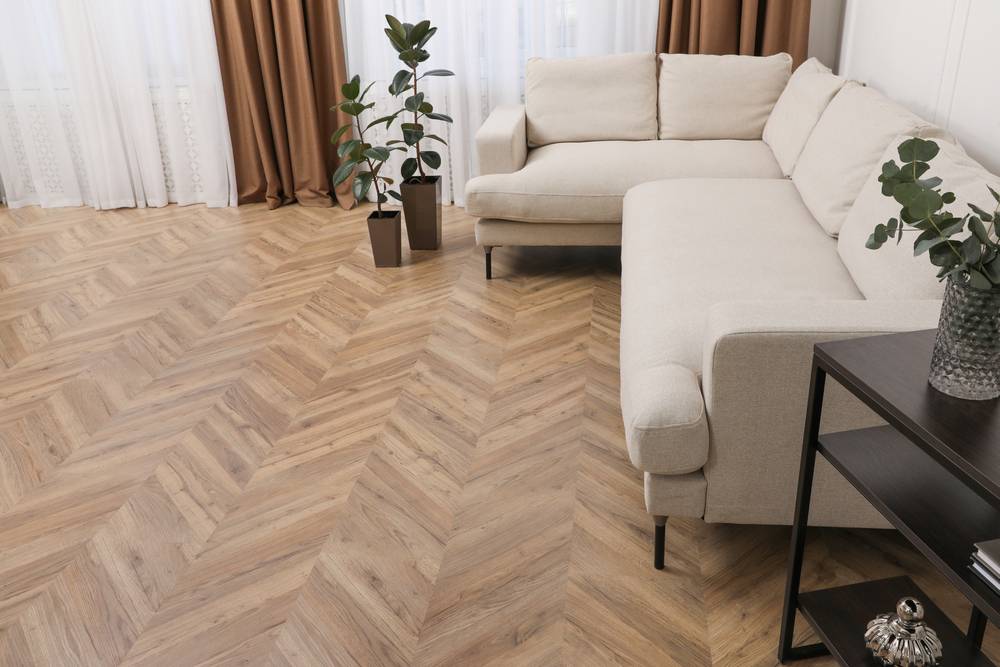
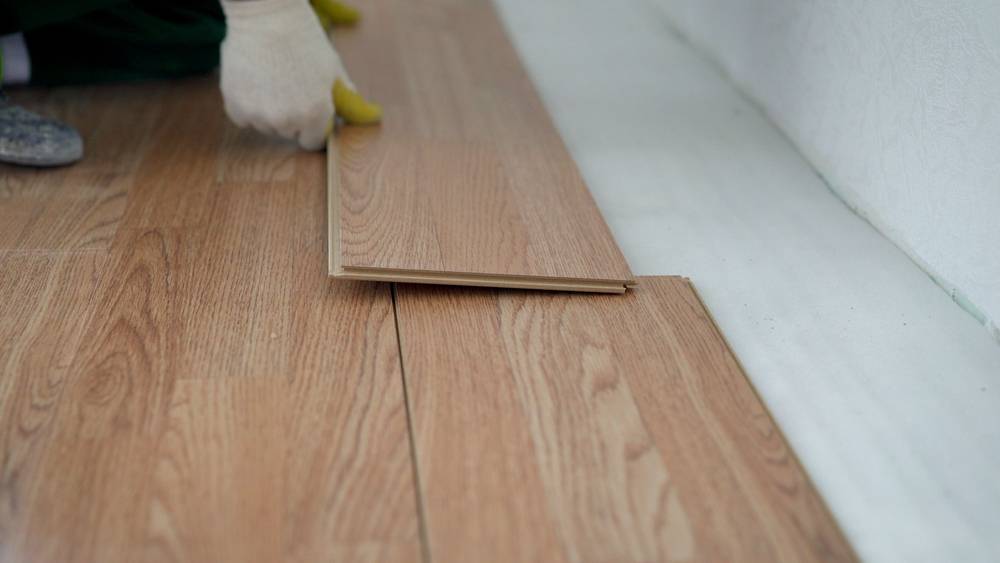
Once the surface is prepared, the vinyl planks are installed using either glue-down or click-lock methods. The result is a seamless, modern floor that completely transforms the space.
For a detailed breakdown of installation steps, refer to How Is Vinyl Flooring Installed.
Pros And Cons Of Installing Vinyl Over Tiles
Like any renovation decision, there are both advantages and limitations to consider.
The biggest advantage is convenience. You save time, reduce costs, and avoid the mess of hacking. It’s an efficient solution that works well for most homes.
Another benefit is flexibility. Vinyl flooring can adapt to various interior styles, allowing you to upgrade your home without major structural changes.
However, there are a few limitations. If the existing tiles are heavily damaged or uneven, additional preparation may be required. In some cases, full removal might still be necessary.
There’s also a slight increase in floor height. While usually minimal, it’s something to consider for door clearance and transitions between rooms.
Cost Savings Compared To Tile Hacking
One of the biggest reasons homeowners choose this method is cost efficiency.
Tile hacking can cost anywhere from SGD 1,500 to 3,000 or more, depending on the size of the area. On top of that, you may need to pay for debris disposal and additional surface preparation.
By installing vinyl flooring over existing tiles, you eliminate these costs entirely.
Vinyl flooring installation itself typically ranges from SGD 5 to 9 per square foot, making it one of the most budget-friendly renovation options available.
If you’re planning your renovation budget, you can explore more insights in HDB BTO Renovation Cost.
Case Study: Why Singapore Homeowners Prefer This Method
According to the Housing & Development Board (HDB), many homeowners are opting for renovation methods that reduce hacking and construction waste (https://www.hdb.gov.sg/).
The Building and Construction Authority (BCA) also promotes sustainable renovation practices, encouraging solutions that minimize material waste and improve efficiency (https://www1.bca.gov.sg/).
Installing vinyl flooring over existing tiles aligns perfectly with these goals. It’s faster, cleaner, and more environmentally friendly—qualities that modern homeowners value.
When Should You Avoid Installing Over Tiles?
While this method works in most situations, there are cases where it may not be suitable.
If your tiles are severely uneven, cracked, or loose, it’s better to address these issues first. Ignoring them can lead to long-term problems with your vinyl flooring.
If there are underlying moisture issues, such as leaks or dampness, these must be resolved before installation. Otherwise, the problem may worsen over time.
In these scenarios, a professional assessment is essential to determine the best approach.
Conclusion
So, can vinyl flooring be installed over existing tiles? In most cases, yes—and it’s one of the smartest renovation choices you can make.
It saves time, reduces cost, and delivers a clean, modern look without the mess of hacking. As long as your existing tiles are in good condition and properly prepared, vinyl flooring can transform your home quickly and effectively.
If you’re considering upgrading your floors, visit Dream Vinyl Flooring for expert advice and professional installation services tailored to Singapore homes. With the right approach, you can achieve a stunning new look without unnecessary hassle.
FAQ
A: Yes, as long as the tiles are even, secure, and properly prepared.
A: Not if a proper levelling compound is applied before installation.
A: Yes, slightly, but it is usually minimal and manageable.
A: Not necessarily. Removal is only required if the tiles are damaged or uneven.
Click on the link to find out more about our services and products. Chat with our sales representatives today!
About Dream Vinyl Flooring
Vinyl Flooring
Interior Design
Home Renovation
WhatsApp Us Now!