What is the Downside to Vinyl Flooring?
Vinyl flooring has earned a strong reputation in Singapore for being durable, affordable, and stylish. It’s water-resistant, scratch-resistant, and comes in designs so convincing that many mistake it for real wood or stone. But as with every flooring option, it’s not perfect. While vinyl flooring has many advantages, it’s worth asking the question: what is the downside to vinyl flooring?
Understanding both the pros and cons helps homeowners and businesses make informed decisions, especially when committing to a long-term investment. Let’s take a closer look at the challenges of vinyl flooring so you know exactly what you’re stepping into.
Environmental Impact of Vinyl Flooring
One of the biggest downsides to vinyl flooring is its environmental footprint. Vinyl is made from polyvinyl chloride (PVC), a type of plastic. While it’s durable in use, it doesn’t biodegrade easily once discarded. Unlike natural wood or stone, vinyl is difficult to recycle and may contribute to landfill waste.
In Singapore, sustainability is becoming a core consideration in home and commercial renovation. According to the Building and Construction Authority (BCA) 2023 report, eco-friendly building materials are being prioritized in new developments. While vinyl flooring is improving with more eco-conscious manufacturing processes, its long-term impact on the environment remains a valid concern for environmentally minded homeowners.
Repair Limitations
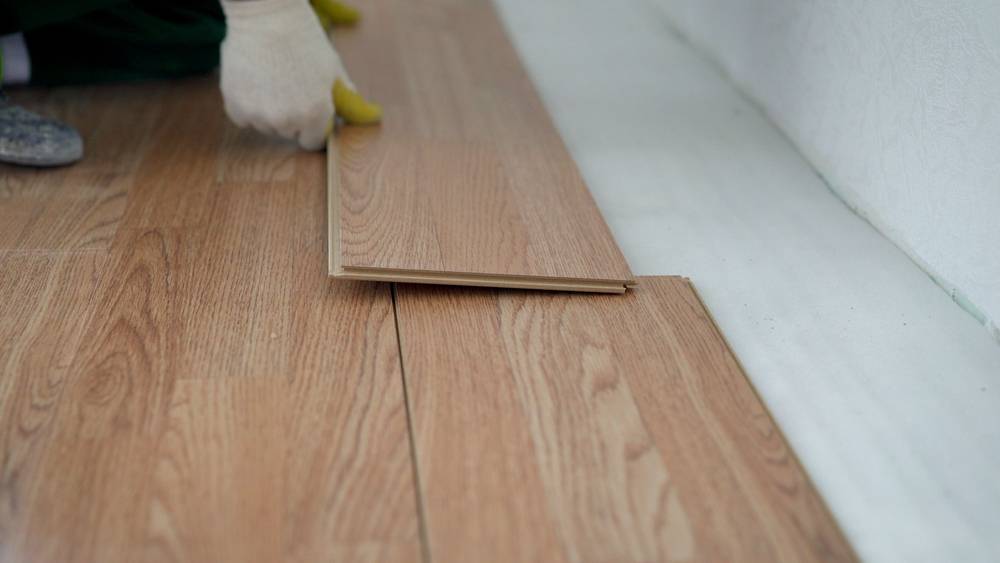
Another downside to vinyl flooring is the difficulty in repairing damage. While it resists scratches and dents better than wood or laminate, once a plank or tile is damaged, it usually cannot be refinished or polished. Instead, the affected section often needs to be replaced entirely.

This limitation can be inconvenient in high-traffic areas such as kitchens, hallways, or commercial offices. Unlike hardwood, which can be sanded and restored, vinyl’s top layer doesn’t allow for resurfacing. Replacement, while manageable, still requires additional time and cost.
Lifespan Compared to Natural Materials
Vinyl flooring is designed to last anywhere from 10 to 20 years with proper care. While this is impressive, it doesn’t quite match the lifespan of natural materials like hardwood or stone, which can last for decades with refinishing.
For homeowners who see flooring as a generational investment, vinyl may feel less permanent. However, for many Singaporean families balancing style, practicality, and affordability, the trade-off is acceptable.
Potential for Discoloration
Another downside is the potential for discoloration over time. Direct exposure to sunlight can cause vinyl flooring to fade or lose its original shade. In homes with large windows or in sunlit areas, this may become noticeable after several years.
In addition, contact with rubber-backed mats or certain cleaning chemicals may stain or discolor vinyl surfaces. While these issues are avoidable with careful maintenance, they highlight vinyl’s sensitivity compared to more natural materials.
For practical tips on preventing wear and tear, explore our article on How to Clean and Maintain Vinyl Flooring in Singapore.
Resale Value Considerations
When it comes to property resale, flooring choice can influence buyer perception. Natural wood or marble flooring often carries higher prestige and can boost resale value. Vinyl flooring, while attractive and practical, is sometimes seen as a budget-friendly option rather than a premium feature.
That said, many modern luxury vinyl products look and feel so close to real wood or stone that buyers may not even notice the difference. In Singapore’s competitive property market, stylish vinyl flooring can still appeal to younger buyers who prioritize function and design over tradition.
Case Study: Growing but Critical Adoption
A Statista (2023) study highlighted that the Asia-Pacific region makes up nearly half of the global vinyl flooring demand (https://www.statista.com/). Singapore contributes significantly to this trend, reflecting how popular vinyl flooring has become in homes and businesses.
Yet, the same study noted a rising consumer awareness of sustainability. This shows that while vinyl flooring remains in demand, its downsides—particularly environmental impact—are shaping conversations around greener alternatives.
Conclusion
So, what is the downside to vinyl flooring? While it offers excellent durability, water resistance, and affordability, it comes with a few drawbacks: environmental concerns, limited repair options, shorter lifespan compared to natural materials, and potential discoloration. It may also lack the premium resale value of traditional flooring.
Still, for many Singaporean homeowners, the benefits outweigh these downsides. With proper maintenance and careful selection, vinyl flooring remains one of the most practical choices for balancing cost, style, and function.
If you’re ready to explore the right vinyl flooring solution for your home or office, visit Dream Vinyl Flooring today for designs that combine beauty, durability, and value.
FAQ
Q: Can vinyl flooring be repaired if damaged?
A: No, it usually can’t be refinished. Damaged planks or tiles need to be replaced.
Q: Does vinyl flooring fade in sunlight?
A: Yes, prolonged exposure to direct sunlight may cause fading or discoloration.
Q: Is vinyl flooring environmentally friendly?
A: While durable, vinyl is made from PVC, which isn’t biodegradable and poses recycling challenges.
Q: How long does vinyl flooring last in Singapore homes?
A: Typically, it lasts 10–20 years with proper maintenance.
Click on the link to find out more about our services and products. Chat with our sales representatives today!
About Dream Vinyl Flooring
Vinyl Flooring
Interior Design
Home Renovation
WhatsApp Us Now!