Can Mold Grow Under Vinyl Plank Flooring?
Vinyl plank flooring is one of the most popular flooring choices in Singapore, and for good reason. It’s stylish, durable, and water-resistant—everything a homeowner could ask for in our humid climate. But even the best flooring solutions come with questions, and one of the most common concerns we hear is: can mold grow under vinyl plank flooring?
The short answer is yes. While vinyl itself is highly resistant to moisture, mold can develop underneath if the subfloor isn’t properly prepared or if water seeps through gaps. This is especially relevant in Singapore, where high humidity and tropical rains can create the perfect environment for mold growth if precautions aren’t taken.
Why Mold Can Develop Under Vinyl Plank Flooring
Vinyl planks are water-resistant on the surface, but the subfloor beneath them is not. If water gets trapped under the planks—whether from spills, leaks, or condensation—it can create a breeding ground for mold.
Moisture issues often occur in areas like kitchens, bathrooms, or laundry rooms, where water exposure is frequent. If the subfloor is concrete, tiny cracks can allow groundwater moisture to seep upward. If it’s wooden, prolonged dampness can encourage mold spores to spread quickly.
Another factor is poor installation. Without a moisture barrier or proper sealing of seams, even high-quality vinyl flooring can suffer from mold-related issues over time.
Signs of Mold Under Vinyl Flooring
Mold doesn’t always announce itself loudly. Often, it hides beneath the surface. However, there are signs to look out for:
-
A musty or unpleasant smell in certain rooms.
-
Discoloration or dark patches appearing along plank edges.
-
Warping, lifting, or bubbling of planks.
-
Unexplained allergies or respiratory irritation among family members.
Spotting these early signs allows you to address the issue before it worsens.

How to Prevent Mold Under Vinyl Plank Flooring
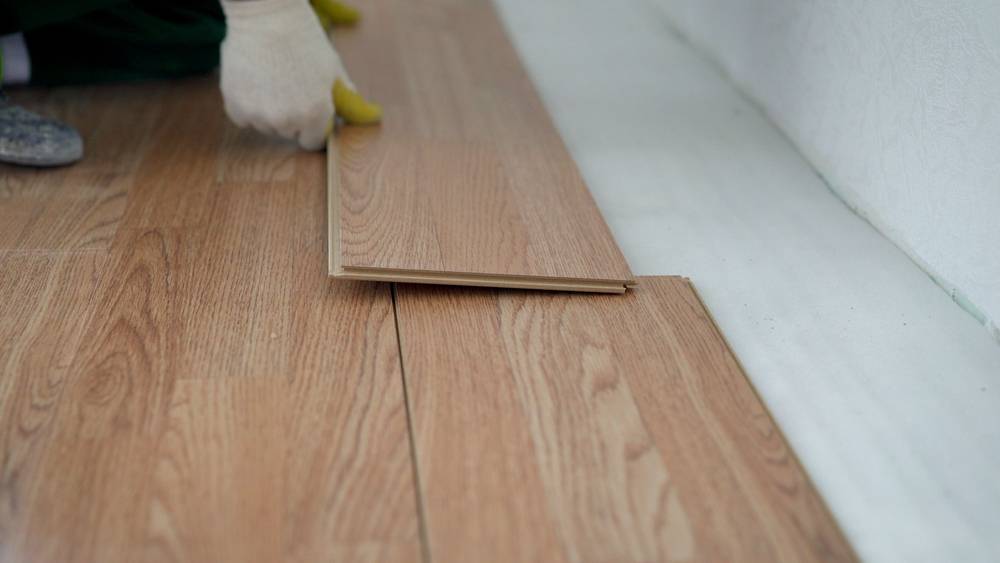
The good news is that with the right preparation and care, you can significantly reduce the risk of mold growth. Prevention starts with installation. Ensuring a proper moisture barrier is laid beneath the planks is crucial, especially in humid Singapore. Professional installers often use underlayment designed to block moisture while providing extra cushioning.
Regular maintenance also plays a role. Clean spills immediately, keep humidity levels under control with ventilation or dehumidifiers, and check for leaks in kitchens and bathrooms. Sunlight and airflow help keep flooring dry, so opening windows or using ceiling fans is a simple yet effective habit.
If you’d like more detailed guidance on protecting your floors, see our in-depth article on How to Extend the Lifespan of Vinyl Flooring.
Case Study: Mold Concerns in Humid Climates
A Statista study reported that vinyl flooring demand in the Asia-Pacific region continues to grow, accounting for nearly half of the global market. While vinyl is praised for its resilience, the study highlights the importance of moisture control in tropical countries.
Similarly, the Building and Construction Authority (BCA) Singapore 2023 guidelines emphasize the need for moisture-proofing in flooring installations to ensure long-term durability and healthier indoor environments (https://www1.bca.gov.sg/). These insights reinforce that mold risks aren’t unique to vinyl—they affect any flooring type when installation shortcuts or poor maintenance allow moisture intrusion.
Should You Worry About Mold with Vinyl Flooring?
The risk of mold under vinyl plank flooring exists, but it shouldn’t deter you from choosing it. In fact, compared to wood, carpet, or laminate, vinyl is far more resistant to water damage and mold growth. With proper installation, moisture barriers, and routine care, the chances of mold are minimal.
Instead of worrying, focus on prevention and choosing reliable suppliers and installers who understand Singapore’s climate. A trusted flooring provider will guide you on the right underlayment, sealing methods, and maintenance routines to keep your home mold-free.
Conclusion
So, can mold grow under vinyl plank flooring? Yes, it can, but only if moisture is trapped beneath due to poor installation, leaks, or lack of ventilation. The solution lies in prevention—choosing professional installation, using moisture barriers, and maintaining a clean, well-ventilated environment.
When cared for properly, vinyl plank flooring remains one of the most practical, stylish, and mold-resistant options for Singaporean homes and businesses.
Ready to explore mold-resistant, long-lasting vinyl flooring solutions? Visit Dream Vinyl Flooring today and discover options tailored to Singapore’s unique climate.
FAQ
Q: Can mold really grow under vinyl plank flooring?
A: Yes, if moisture is trapped beneath due to leaks, spills, or poor installation.
Q: How do I prevent mold under vinyl flooring?
A: Use proper moisture barriers, ensure good installation, clean spills promptly, and control humidity.
Q: What are signs of mold under vinyl flooring?
A: Musty odors, discoloration, warped planks, and allergy symptoms are common signs.
Q: Is vinyl flooring more mold-resistant than other flooring?
A: Yes, vinyl is far more resistant than wood or carpet, but no flooring is 100% mold-proof without proper care.
Click on the link to find out more about our services and products. Chat with our sales representatives today!
About Dream Vinyl Flooring
Vinyl Flooring
Interior Design
Home Renovation
WhatsApp Us Now!