Exterior Balcony Waterproofing: Why It Matters More Than You Think
Balconies are a prized feature in Singapore homes, offering a slice of the outdoors without leaving the comfort of your flat or condominium. They’re where you sip coffee in the morning, hang out with family, or simply take in the city view. But balconies are also constantly exposed to rain, sun, and humidity. Without proper exterior balcony waterproofing, water can seep into your tiles, concrete, or vinyl flooring, leading to cracks, mold, or even leakage into your living space.
In Singapore’s tropical weather, where sudden downpours are as common as afternoon kopi breaks, waterproofing your balcony isn’t just a luxury—it’s a necessity. Let’s explore what makes balcony waterproofing essential, the methods involved, and how to keep your outdoor space safe and long-lasting.
Why Exterior Balcony Waterproofing Is Essential
Balconies act as a protective extension of your home, but they’re also vulnerable to the elements. Rainwater pooling on tiles or seeping through grout lines can slowly weaken the surface. Over time, this causes:
-
Cracks and water stains on walls and ceilings.
-
Mold growth that thrives in hidden damp spots.
-
Tile detachment due to trapped moisture.
-
Costly structural damage if water leaks into lower floors.
Imagine investing in stylish vinyl or ceramic flooring for your balcony, only to see it warp or peel within months because of hidden water damage. Exterior balcony waterproofing prevents these issues by creating a durable, water-resistant layer that keeps moisture out while extending the lifespan of your flooring.
Common Waterproofing Methods for Balconies
Waterproofing technology has advanced, giving homeowners multiple solutions tailored to their flooring type and lifestyle.
Liquid Membrane Coating
A popular option for balconies, liquid membrane is painted or sprayed on to form a seamless waterproof layer. It’s flexible, durable, and ideal for Singapore’s frequent rainfall.
Cementitious Waterproofing
This method uses cement-based materials mixed with waterproofing agents. It bonds well with concrete surfaces and is commonly used in HDB and condo balconies.

Sheet Membrane Waterproofing
Rolls of waterproof material, like PVC or bituminous sheets, are laid across the balcony floor to block water penetration. This method is highly effective but requires professional installation.
Epoxy Coating
Epoxy provides a tough, glossy finish that resists water and chemicals. It’s often used for outdoor spaces that need both protection and aesthetics.
How Vinyl Flooring Benefits from Balcony Waterproofing
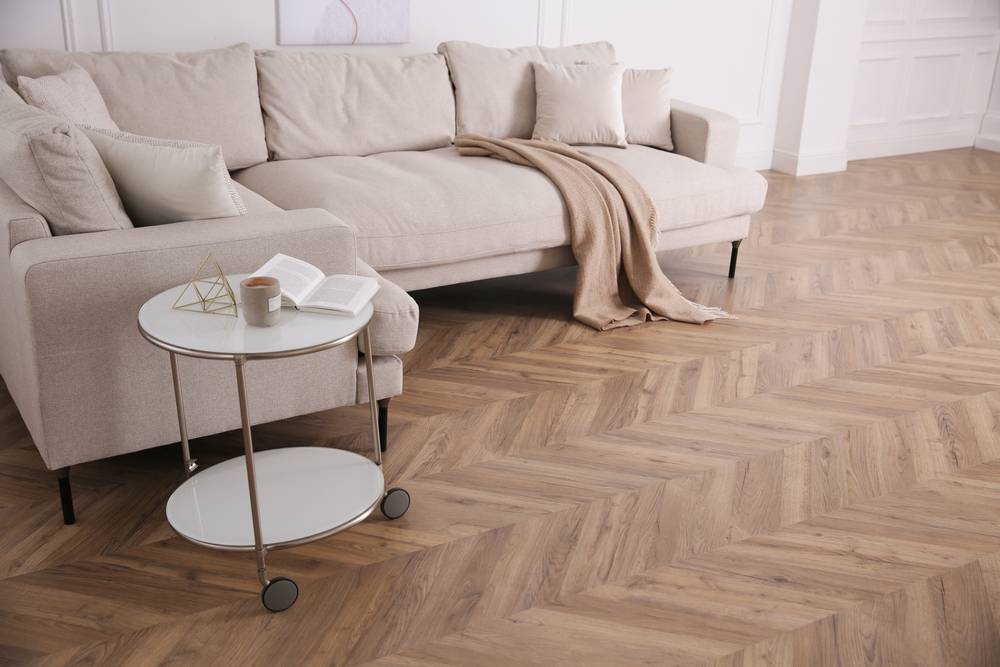
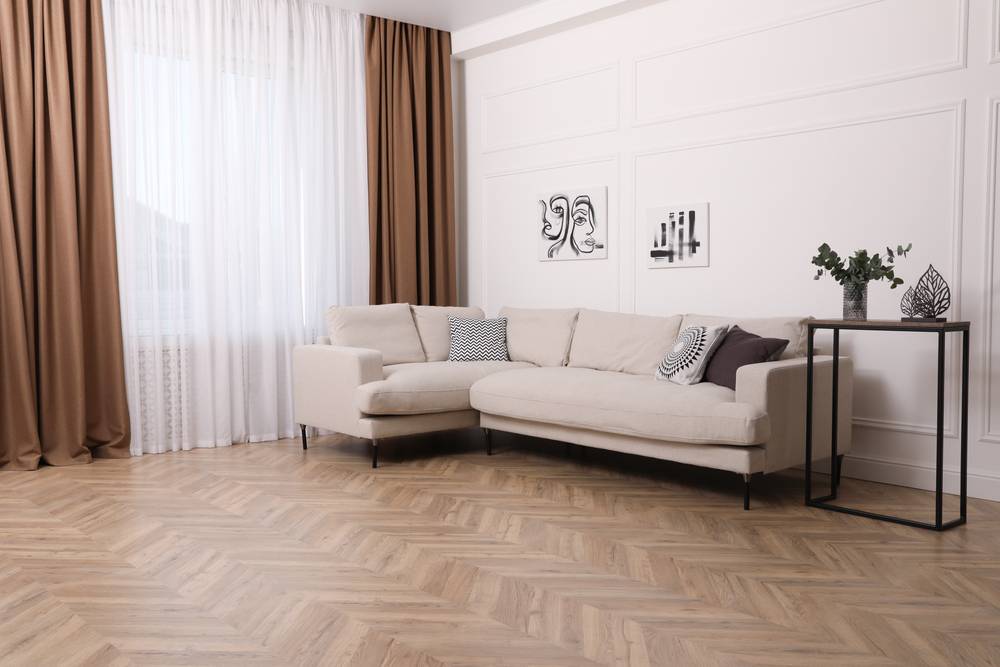
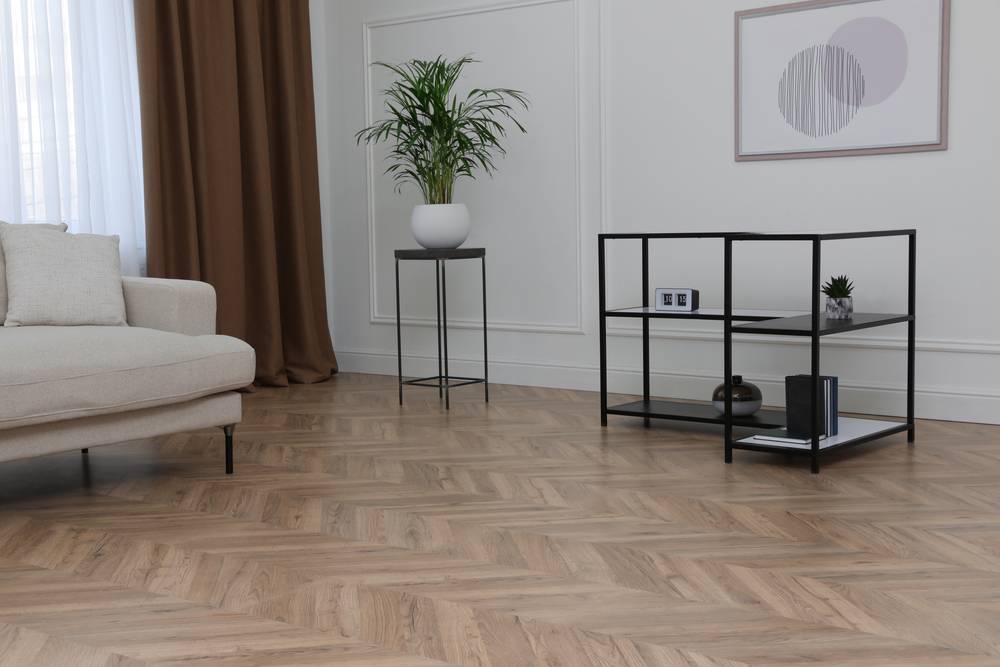
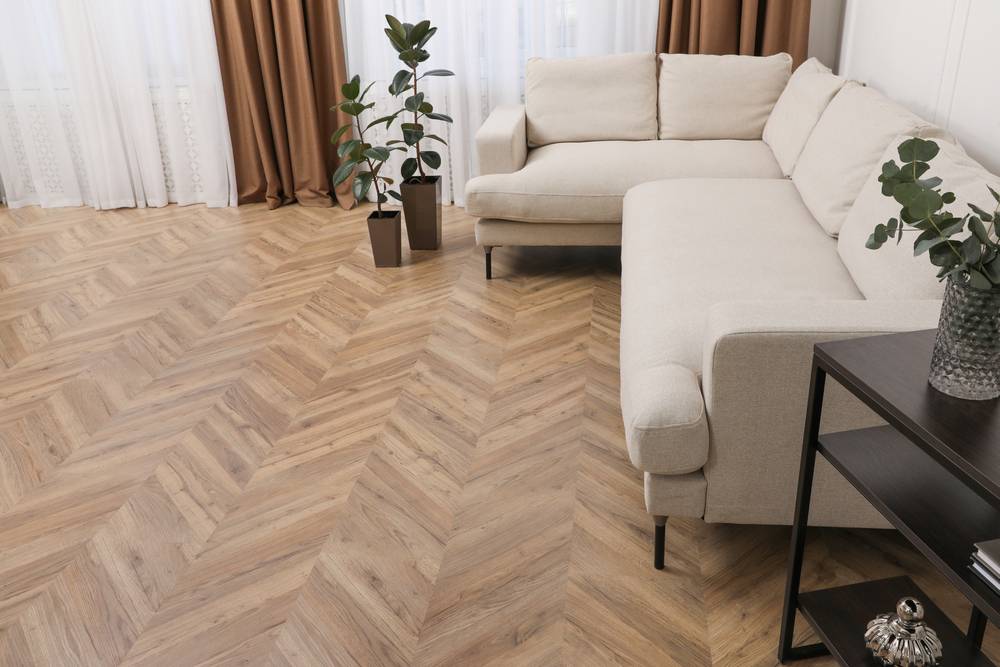
Vinyl flooring is a stylish choice for Singapore balconies, blending comfort with modern design. However, it isn’t entirely immune to water damage if moisture seeps underneath. Proper waterproofing acts as a protective shield, ensuring your vinyl planks stay intact, free from swelling, and easy to maintain even in wet conditions.
For homeowners who love the look of wood but want durability against rain, waterproof vinyl flooring combined with balcony waterproofing creates the perfect balance of beauty and resilience.
Signs Your Balcony Needs Waterproofing
If you’re unsure whether your balcony requires waterproofing, here are red flags to watch for:
-
Hairline cracks appearing on tiles or grout lines.
-
Damp spots on walls or ceilings below the balcony.
-
Discoloration or water stains on flooring.
-
Mold or mildew growth, especially at edges or corners.
-
A musty smell in nearby indoor rooms after rain.
Spotting these early signs allows you to take action before the problem escalates into structural damage.
Case Study: Balcony Leaks in Singapore Apartments
In 2022, a report by Singapore’s Building and Construction Authority (BCA) noted that one of the top complaints in residential projects was water seepage from balconies into living areas. The findings stressed the importance of preventive waterproofing rather than costly repair works.
Another study by National University of Singapore’s Department of Building highlighted that balconies exposed to continuous rainfall without proper waterproofing often develop structural cracks within 5–7 years, especially in high-rise apartments. These findings underline that waterproofing is not optional—it’s essential.
Maintenance Tips for Long-Lasting Waterproofing
Once your balcony is waterproofed, a little upkeep goes a long way in ensuring lasting protection:
-
Keep balcony drains unclogged to prevent pooling water.
-
Reseal grout lines every few years.
-
Avoid dragging heavy furniture across flooring to prevent damage.
-
Inspect regularly for cracks or peeling surfaces.
By combining these steps with professional waterproofing solutions, you’ll maintain a safe and functional balcony space.
Conclusion
Exterior balcony waterproofing is your first line of defense against Singapore’s heavy rainfall and humidity. It not only safeguards your home from leaks and cracks but also ensures your balcony remains a stylish, functional extension of your living space. Whether you prefer vinyl, ceramic, or epoxy finishes, waterproofing keeps your investment protected and your home stress-free.
For expert waterproofing services and durable flooring options, explore Dream Vinyl Flooring—your trusted partner in creating waterproof, long-lasting, and beautiful balcony spaces.
FAQ
Q: How often should I waterproof my balcony?
A: Typically every 5–7 years, depending on exposure and wear.
Q: Can vinyl flooring be used outdoors on balconies?
A: Yes, with proper waterproofing, vinyl flooring is a stylish and durable option.
Q: What is the most effective waterproofing method?
A: Liquid membrane and sheet membrane waterproofing are the most common and effective for Singapore balconies.
Q: Can I DIY balcony waterproofing?
A: While minor sealing can be DIY, professional installation ensures long-term durability.
Click on the link to find out more about our services and products. Chat with our sales representatives today!
About Dream Vinyl Flooring
Vinyl Flooring
Interior Design
Home Renovation
WhatsApp Us Now!